

Quick reply
Setup costs, VPN, backups, mobile access, collaborative tools: why the in-house file server keeps losing ground to the cloud.
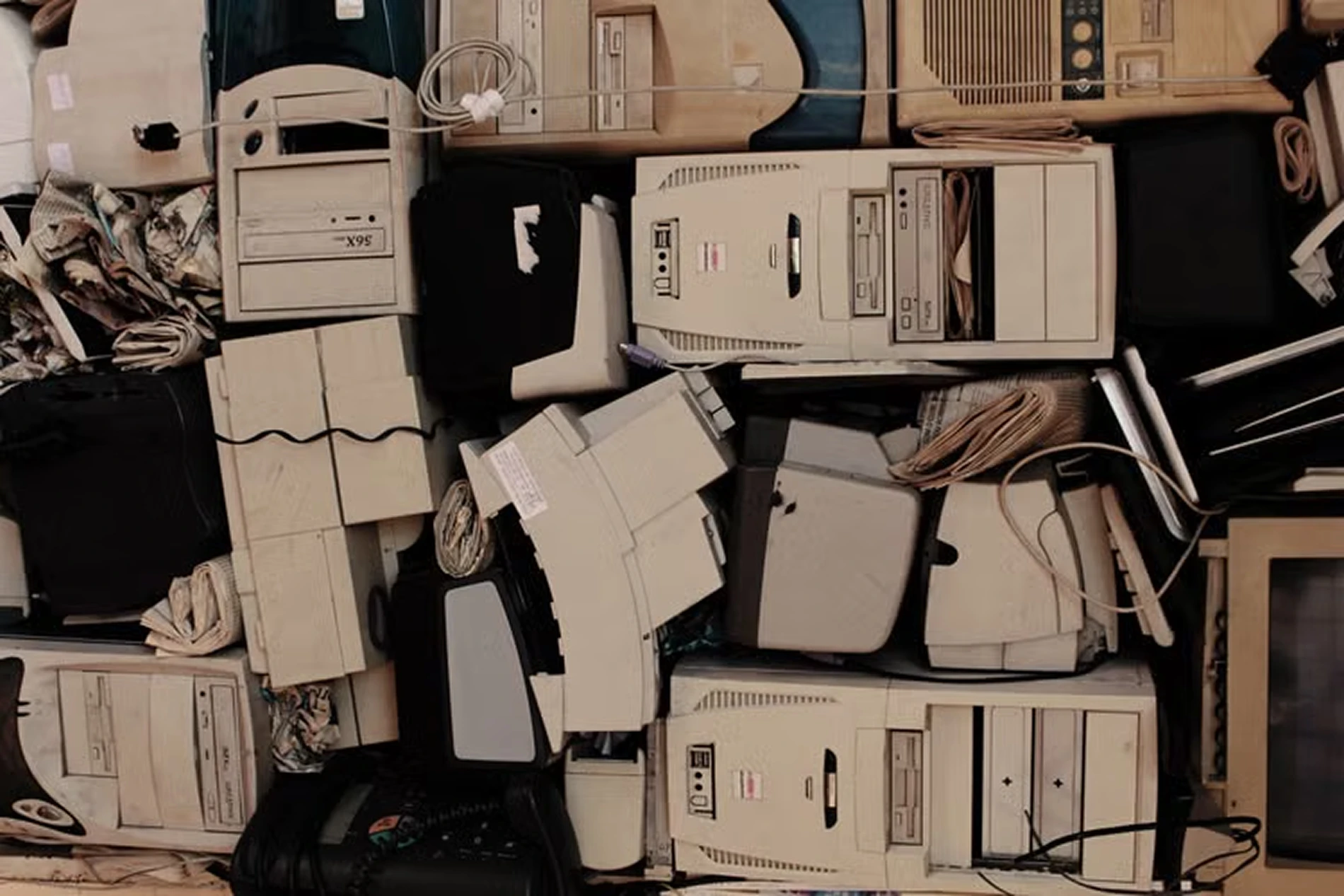


Companies increasingly favour the cloud over the good old file server.
When it comes to sharing documents in a company, the file server reigned alone for a long time. That is starting to reverse, as more and more companies adopt the cloud.
Companies' needs around document sharing and remote access
Whether you are a large group or a small business, managing files in a company is a real problem. Every colleague has to be able to reach their documents and files in order to work. Because IT security is paramount, relying solely on the disk space of a user's machine is unthinkable: a computer can fail at any moment. On top of that, more and more data is being handled and exchanged, so disk space fills up quickly. Teamwork and remote working have also grown, and colleagues working together on a project need to be able to share their documents with one another and reach them from anywhere.
To answer those problems, companies installed file servers, putting colleagues on a network and giving them access to shared folders. But users' and companies' needs have moved on since, and the file server has become obsolete, giving way to cloud solutions that are easier to set up, more flexible and less expensive.
Replacing a file server with a cloud solution: why?
In practical terms, a file server connects a machine acting as the server to users' machines (the clients), putting them on the same network. Users connect to the network and reach their folders and documents, which they share (or not) with their colleagues. A file server therefore lets you share documents with your whole team, but only on the machines installed inside the company's head office.
While the file server was long an ideal way of reaching documents in a company, it is no longer enough today to answer users' needs around collaboration and mobile working, or the challenges that come with companies spread across several sites. Cloud solutions, by contrast, let your staff reach their files wherever they want, and give them a range of collaborative tools to support teamwork and remote working.
Here is why the cloud makes an ideal alternative to the file server.
Because the cloud costs less than a file server
Installing a file server is a substantial investment for a company, in money but also in people's time. On top of the cost of buying the hardware and the software licences, a file server cannot be administered by an IT novice. An experienced specialist is essential to install, configure and maintain it. Those tasks therefore have to be carried either by an existing or newly hired colleague, or by an outside provider at a price, which is not always easy for a small business. Read more about the costs of a file server.
Cloud solutions delivered as a service (SaaS) are far lighter to put in place. This model means you simply subscribe to a service, like a phone plan, to start using it. Most of the time there are no installation costs, no software licences to buy and no deep changes to your IT systems. The service is deployed within hours and you can start working with it very quickly. Because resources are shared between the clients of cloud solutions, costs are lower than those of installing a file server. Updates are also deployed automatically, and there is no maintenance left for you to do.
Because the cloud means I can always reach my data
When you use a file server, it is rather like storing your data on a computer. Hardware of that kind can fail easily, which exposes you to losing some or all of your data. To avoid an IT disaster, you therefore have to back things up. That means one of two things: either buying a second file server purely to back up the data on the first, or going through an outside provider or buying backup software. Either way, those are expensive options and not especially practical.
With a cloud solution, by contrast, it is no longer your concern. Water damage in your building? Where file servers might have been damaged and your data lost, a cloud solution lets you reach your files from any other computer, phone or tablet. Remote access is far simpler through the cloud (all you need is an internet connection, with no complex VPN to set up) and backups are carried out daily by your provider.
Because a VPN is complex to install and needs very good internet connections
As noted above, reaching documents stored on a file server from somewhere other than your desk at the office gets complicated. The same is true if you have several sites and want to connect colleagues between them. To make that work, you have to configure a VPN link, which again calls for an IT professional. And for it to work properly, you need very good internet connections at both ends: at the site where the file server sits, and wherever you want to reach the network from (another site, your home and so on).
With the cloud it is far simpler: you can connect to your files from any mobile device (phone, tablet) or computer (desktop, laptop). Your colleagues can easily work from home, on public transport, or pull up a file at a client's premises. And thanks to synchronisation software, you can even reach documents without an internet connection.
Because collaborative cloud solutions offer more than a file server
Depending on the cloud solution you choose, you get features and collaborative tools you could not have with a simple file server: sharing documents externally, annotating files, tracking what has been done and so on. With the cloud, for instance, a document you are working on is locked for other users, so that several people cannot edit it at the same time.
Because cloud solutions let me reach my files on mobile
As a rule, providers of collaborative cloud solutions give you free mobile apps that let you reach your documents easily and intuitively from your phone and tablet. That is not possible with a file server. As colleagues' work becomes more mobile, that argument alone is an important consideration.
Other articles you might like
French sovereign cloud: secure hosting and storage in France
What sets a sovereign cloud apart from AWS or Azure, why the Cloud Act changes the picture and how to start migrating your IT.



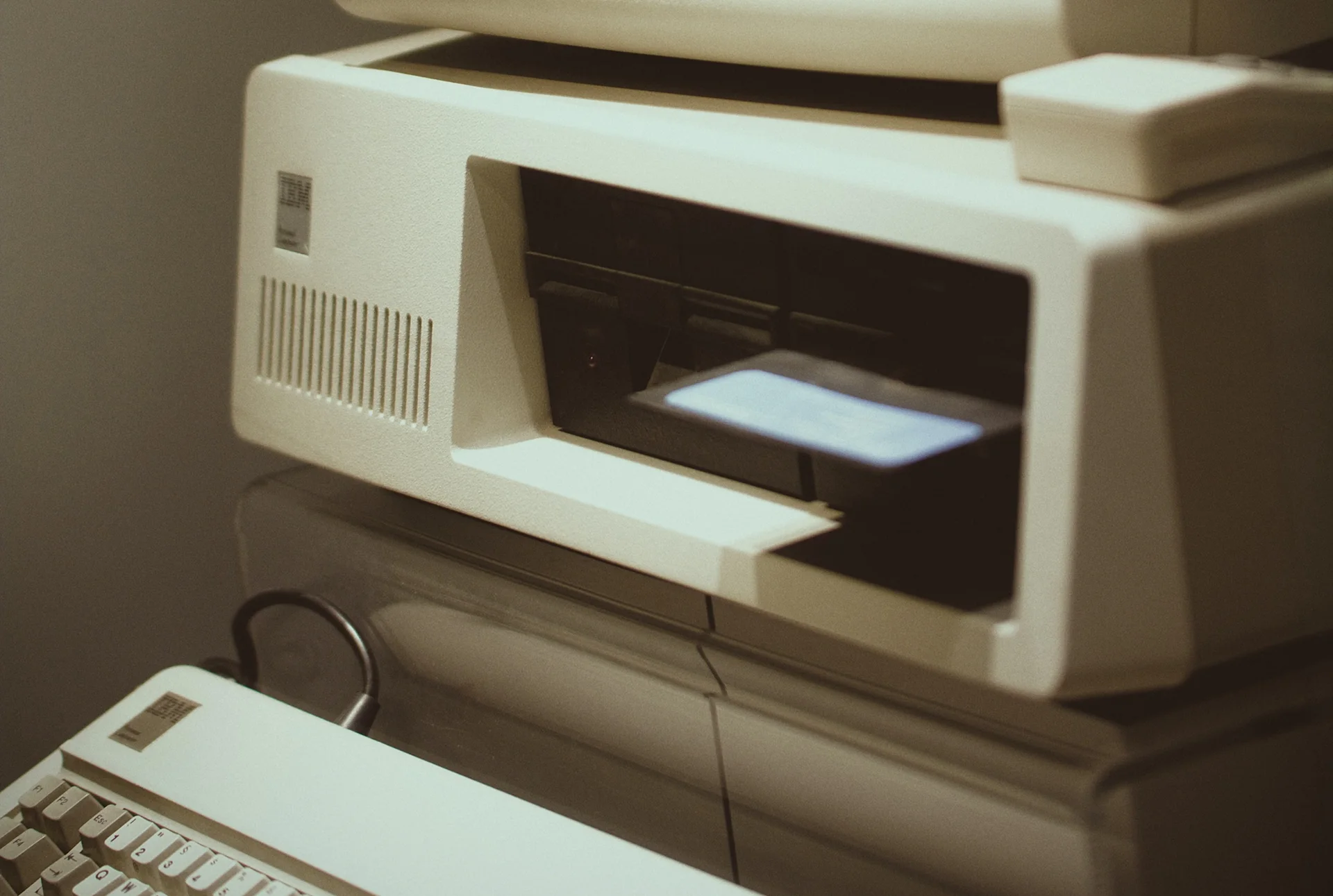

But let's be honest, our cloud-based file storage and sharing solution is much easier.